
Category Archives: Uncategorized

Cost of a Garage Renovation in Northern VA

Cost of a Garage Renovation in Northern VA

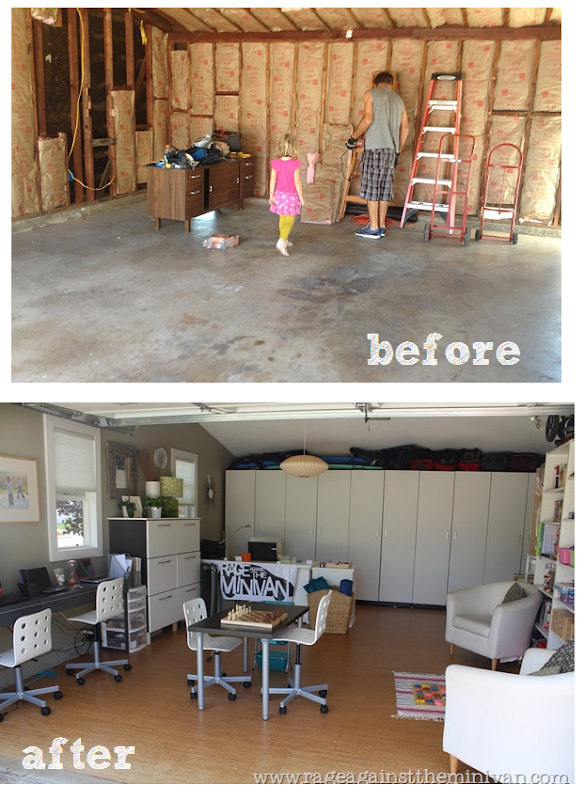
Did you know there’s a way to add on to your home without building an addition? If you’re in need of some extra living space, converting your garage may be just the answer. To be sure there are pros and cons to such a decision, such as moving your cars from indoor protection to outdoors exposure, but the upside is an extra 600 square feet or more to use for work or play. And the cost of a garage renovation in Northern Virginia is far below that of building a new space.

What’s Involved

Converting your garage into additional living space can improve both the resale value of your home and your quality of life. But even though a garage remodel is less costly than a new addition, it’s not a job to tackle on the cheap. A typical quality conversion takes four to six weeks to complete and will include:

  • Raising the height of the floor to allow for insulation over the concrete slab
  • Possibly opening up the wall between your house and garage
  • Full insulation of the ceiling and walls
  • An electrical upgrade
  • Installing heating and cooling, either by adding a ductless system or tying into your home’s main system
  • Adding windows and doors
  • Replacing existing garage doors

What It Will Cost

All things considered, because a garage already has walls, a foundation and roof, you will spend about half of what you’d spend for a brand new addition.

In Northern Virginia, the average cost of a garage renovation according to HomeAdvisor members is about $16,000, with a high of $30,000 reported. Of course, your final cost will depend on how you intend to use your new space. An office conversion will likely cost less than a new media room. One feature that will add an additional $15,000 or more to your budget is a bathroom.

Other options that will affect your final price are the finishing materials you choose. For example, carpet and laminate flooring will be less expensive, while hardwood will add to the bottom line. The original concrete is the least expensive of all.

Maintaining Curb Appeal

If you want your renovation to look like it was always a living space, you’ll need to eliminate any of the features that scream “garage.” Accomplish this by eliminating any evidence of the old doors and openings, install windows that carry through from the rest of your home, and think about adding rooftop design elements, such as dormer windows.

Choose Foley Development

If after weighing the pros, cons, costs and logistics of converting your home’s garage into living space, you’ve decided it’s the right choice for your family, we’re here to answer any questions you may have.  

Foley Development is a design/build firm dedicated to bringing the best in custom home building and remodeling to families in the Northern Virginia area. For over 30 years, our remodeling team has transformed homes by renovating garages and remodeling kitchens, bathrooms, porches, decks, basements and more. If you’d like to learn more about the cost of a garage renovation in Northern Virginia, contact us today.
What Are Builder Allowances

What Are Builder Allowances?

Depending on who you talk to, builder allowances are either losing propositions or necessary evils. Neither description is very reassuring, but there are instances when they can be used quite successfully during your construction project.

For allowances to be considered assets, it takes skill, integrity and timing on the part of your builder. Here are some ways to make builder allowances work in your favor.  

What are Builder Allowances?

Allowances are exactly what they sound like – a set amount of money for certain products that you have not yet picked out is included in your contract. If any item’s price tag is higher than what is initially budgeted for, your house will end up costing more than the contracted price, with you paying the difference.

Builder allowances are frequently used in the planning stage, and common ones your contract may cover are:

  • Cabinets
  • Countertops
  • Light and plumbing fixtures
  • Flooring and wall coverings
  • Appliances

The Pitfalls of Allowances

It’s often extremely difficult to specify ahead of time every single material that will go into your own custom home build. While your goal should be to have the most detailed contract possible, a custom home involves many more choices than a semi-custom or spec one does. Your builder, then, will include allowances in the contract for some of these items.

The amount of each allowance is based on the total price of your home, your budget, and your specific needs.

Where you may run into problems is if you are working with a builder who, in order to present an affordable bid, sets allowances so low that it is impossible for you to choose the materials you really want at the prices quoted.

What You Can Do

Your builder bases allowance figures on what he or she feels will be adequate, but it is up to you, the homeowner, to investigate the true cost of each allowance. In other words, you need to at least window shop for your materials before signing the contract.

Whether you visit actual showrooms or conduct research online, do your homework to get an idea of what items like the cabinets and flooring you want should cost. Then, compare those figures with what your builder has allotted in the bid. Other options you may want to consider:

  • Pre-select as many items as possible before your plans and specifications are finalized
  • Keep change orders and project delays to a minimum by knowing ahead of time what items you’re likely to choose
  • One of the greatest advantages to using the design/build model is that the entire team works together from day one. Talk to your builder about what you want before allowances are created so that unforeseen upgrades are kept at bay.
  • Spend money upfront on products that will cost more down the road. Tile, cabinetry, and hardwoods, etc. are very expensive to upgrade. Other items, like towel bars and light fixtures can always be upgraded later for far less money.

Final Word

Builder allowances, if handled properly during the planning stages, do not have to wreak havoc on your construction project. As long as there is clear, honest communication between you and your builder, and you have a financial reserve in place to cover small unexpected surprises, you’ll find the costs will be well worth it if it means living in your dream home.

At Foley Development Group, we want the process of building your new custom to be a fun and rewarding experience. Contact us today to learn more about builder allowances and our custom home design/build process.

Home Renovation Ideas For Aging In Place

Home Renovation Ideas For Aging In Place

The coming decades will see nearly 80 million baby boomers reach retirement age. Couple that with an ever-increasing life expectancy and a low birth rate, and we’ll be seeing a dramatic increase in the percentage of Americans who are over the age of 65. Even for those who work hard at staying healthy, aging comes with unique challenges and limitations.

When asked by the AARP, 71% of homeowners of any age indicated they’d prefer to “age in place,” and 87% of adults aged 65 and over want to stay in their current home as they age. If their desires are to be met, homes will need to be built or renovated to meet changing needs.

A Universal Design Concept

Universal design is a term often used instead of aging in place, but the concepts are the same. Universal design is about designing living spaces (and products) that are simple, safe, and more convenient for a wide range of people, not just those with physical limitations. Also known as “barrier free design,” it originally evolved from an approach that addressed the requirements of people with disabilities, but today it means so much more. Modern universal design recognizes the vast spectrum of abilities that each individual, even the most able-bodied, experiences during childhood, old age, or through injury or illness.

Universal-Design-Image
Universal design goes beyond grab bars and ramps, and makes life easier for everyone living in the house.

Home Renovation Ideas

Luckily, today’s savvy designers have come up with home renovation ideas for aging in place that are both stylish and comfortable. If you’re currently planning to renovate your home and want to include some aging in place elements in your design, here are some basic fixes to consider:

  • Install outlets and switches that can be reached from a transport or wheelchair, typically two to four feet from floor level.
  • Widen or design hallways to be at least 42 inches wide and make doorways 32 to 36 inches wide. The extra space will not only accommodate wheelchairs, but make the space look lighter and more spacious.
  • Include at least one full bathroom on your home’s main level.
  • For laundry rooms, install front loading machines and multiple-height counters.
  • Design thresholds no higher than a quarter inch, or eliminate them.
  • Don’t forget your home’s exterior. Create at least one entry that has no steps. From automatic lighting to lever-style door handles, planning ahead will help you reduce outdoor maintenance and upkeep.

Universal_Design_Floorplan_LG
Aging in place kitchen solutions include multiple counter heights, cooktops and sinks with legroom for a seated user, lever handles, clear cabinet doors and open shelves.

Design for All

At Foley, we focus on thoughtful design and innovative technology to create aging in place spaces that meet your ever-changing needs and lifestyle. We believe the best approach is one that considers the way you and your family live throughout your entire lives. If you’re currently thinking about building a custom home, it’s a good idea to keep universal design concepts in mind, no matter how young and healthy you may now be. Whether you live in your new home for the rest of your life, or decide to sell and move on, aging in place features can greatly increase your home’s value. Contact us today to learn more about our aging in place philosophy.

How To Protect Your House From Stormy Weather

How To Protect Your House From Stormy Weather

Northern Virginia is certainly no stranger to harsh storms. Be it wind, rain, snow or some combination of them all, inclement weather can take a real toll on your home. Significant damage can happen in an instant, so windows, roofs, foundations, and more all need to be protected from Mother Nature’s fiercest elements. Start now to get your home prepared and you’ll save time and money down the road. We’ve pulled together some great tips that will show you how to protect your home from stormy weather this season.

Seal the Gaps

Start by sealing up any gaps in doors, windows and pipes. Weather causes the caulking that seals your windowsills, door jambs and other openings to contract, which then causes the caulking to crack or wear out. A modest investment in a basic caulking gun and waterproof sealant is all it takes to fix any potential leaks and cracks. Be sure to check for gaps in these areas:

  • Entry points for cable and telephone wires
  • Electrical outlets
  • Venting
  • Pipes

Secure the Roof

Shingles, especially those closest to the roof’s edge, help keep water from accumulating on the roof during a natural disaster. Carefully inspect and replace any worn or missing shingles and seal any loose connections. A roof’s soffits help prevent water damage when properly secured and maintained. You can reinforce weakened soffits by adding properly spaced screws along the perimeter followed by waterproof sealant between the soffit panels and your home’s walls. The Insurance Institute for Business and Home Safety® (IBHS) offers some great guidance on fortifying your roof.

Storm Proof Windows & Doors

When the winds picks up, glass is often the first thing to break, creating a huge hazard. One of the best ways to protect your home and family is to install storm shutters. If you don’t want to hang permanent ones on your home’s exterior, create your own by attaching plywood to your windows until the storm has passed.

Pack or Pick Up Loose Items

Flying debris -both natural and man-made -can wreak havoc on your home, power lines and drainage systems. Broken or weakened branches should be trimmed from trees and shrubs. Heavy lawn furniture should be anchored and lighter pieces, along with items like flowerpots, garbage cans and gardening tools, should be brought indoors or safely stored away in an outdoor shed.

Additional Precautions

  • If your home is prone to flooding, install a sump pump to protect your basement.
  • Waterfront homes come with special challenges, with the most common problem being leaks associated with the flashing. Take these common storm protection steps to protect your waterfront home.  

Finally, if you’re planning or are doing a building or remodeling project, have the contractor reinforce the connections between your home’s roof and walls, and also between the walls and foundation. According to the IBHS, the cost of doing so adds very little to your overall budget, but the fortifications could leave your roof intact and your house standing during a violent storm. With just a little research and advanced planning, how to protect your home from stormy weather is a relatively easy task, but an important one that will keep your family safe and give you peace of mind.

Buying Land in Northern Virginia How To Wrap Your Head Around It

Buying Land in Northern Virginia: How To Wrap Your Head Around It

If you’re buying land in Northern Virginia with the vision of crafting your family’s dream home, your first step should be a careful assessment of the feasibility and cost to design and build on that land.

Many people buying land in Northern Virginia are attracted to undeveloped but extremely beautiful areas. If you’re in the market for land, it’s a good idea to consult with a local experienced builder who has strong expertise in turning untouched land into a buildable lot. A lot that at first glance appears easily buildable can just as easily prove not to be. Many new homeowners are surprised to learn how much additional site work may be needed to make their lot buildable. Working with a builder who understands the area will make your land search process more straightforward and less costly.

Land & Land Development

Land in Northern Virginia typically accounts for 25% to 50% of the overall price of your home, making it the single largest line item in your construction budget. At Foley, we recommend that homebuyers work with a design/build firm like ours to put together an entire budget before purchasing their land. Doing so lets you avoid the heartbreak of realizing that, while you may have found the lot of your dreams, the money isn’t there to build your dream home.

Experience tells us that land development is the least understood area of the entire design/build process. Usually the second largest line item in your budget, just about everything that doesn’t involve the actual home is considered land development:

  • Excavation and tree clearing
  • Septic fields, sewer and water
  • Bringing in and connecting utilities
  • Driveways and landscaping
  • Permits and engineering

It’s extremely important to have a realistic estimate of what your land development costs are going to be before buying that ideal lot. Even when buying a “developed” lot, you’ll want to make sure you know exactly what is and isn’t included in the lot price.

The Cost of Land Development

No two pieces of land are the same, so you will need to do your homework for each lot you are considering; though something you can count on consistently appearing are hidden and surprising costs. Land development costs vary considerably depending on soil conditions, development plans, and local fees and permits.

Land development costs are often underestimated, so in addition to the purchase price of the land itself, make sure your land development budget accounts for:

  • Cost of the land plus brokerage fees
  • Local permits and tap fees
  • Reviews and inspections
  • Land clearing and curb cuts
  • Any possible impact fees
  • Utilities, including electrical, natural gas, phone, cable and internet. An electrical transformer may also be needed. Also consider trenching costs for underground utilities and meter installations.
  • Surveys and inspections
  • Water well drilling, casing, etc., including possible water treatment.
  • Soil testing and clearing costs
  • Rough and finish grading, including soil, sand, crushed stone or gravel
  • Any blasting, excavation or backfill costs
  • Site drainage as needed
  • Landscaping, driveway and other paving, including sidewalks and patios

There are many steps to the land development process. If you’re buying land in Northern Virginia, we will work with you to evaluate the site’s potential, estimate costs, and help you determine if it’s feasible to build on. If you’d like to learn more, download our free Ebook that explains everything you need to know about building a custom home in Northern Virginia.

5 Traps To Look For When Buying A Custom Home In Northern Virginia

5 Traps To Look For When Buying A Custom Home In Northern Virginia

Buying a custom home can be like navigating a maze. There are steps to maneuver and numerous traps to avoid before you successfully complete the adventure. It’s exciting and fulfilling, but it can also overwhelm, leaving you wondering if you’re making the right turns or decisions.

Many custom homebuyers, first-timers and experienced alike, fall prey to common – and often costly – mistakes. Whether it’s paying too much for the home you want or choosing the wrong neighborhood, these five “gotchas” can turn what’s meant to be a pleasant experience into an unhappy one. A well-organized approach to buying a custom home can help you steer clear of these common traps.

Trap #1: Falling in Love with the “Shiny Stuff”

Everything in a just built home is so shiny and new. Whether it’s a house built on spec; a semi-custom home built in a development; or a completely custom home designed and built to your specifications, there are advantages and disadvantages to each option.

Don’t let yourself get lured in by the modern bells and whistles. Before deciding you simply must have those untouched granite countertops or pristine modern fixtures, consider these common scenarios when deciding if the custom route is right for you:

  • Are you ok with a likely commute?
  • Are you patient enough to wait for trees to mature?
  • Do you like the cookie-cutter look of most new subdivisions?
  • Will you be comfortable with the potential lack of privacy in a development?

Trap #2: Not Researching Neighborhoods

A beautiful location will soon lose its appeal if you don’t feel a part of the neighborhood. Do some preliminary research on the actual community before you settle on a lot. In addition to these tips on helping you decide which community best meets your family’s needs:

  • Walk the communities and chat with any current homeowners you meet
  • Find out from the city planner’s office what’s in store for your neighborhood
  • Research zoning laws for the neighborhood

Trap #3: Not Asking What’s Standard and What’s Extra

Amenities and upgrades vary from builder to builder. Compare potential locations for amenities such as a health and fitness center or gated entrance, and for upgrades like appliances and flooring. While choosing finishes and furnishings can be one of the most enjoyable parts of buying a custom home, joy can turn to frustration if you find each selection increases the price of your home. Have a good idea going in what you want and negotiate what’s included early on.

Trap #4: Failing to Get the Right Home Warranty

It isn’t unusual for defects to surface during the first year you live in a newly built custom home. As a Northern Virginia homeowner, you’re guaranteed certain protections for material defects. Protect your family with the right home warranty. Make sure you’re covered for a sufficient period of time and that the warranty clearly spells out what is covered (or not). For real peace of mind, have a real estate attorney take a look.

Trap #5: Not Comparing Loan Options

Many builders have in-house lenders or ties to outside mortgage lenders. You are free to find your own financing as well. You may also need to obtain a construction loan. Contact at least three lenders and compare rates, points, fees, and other terms before committing the next 30 years of your life to truly owning your home. Take the time to read every contract, declaration, disclaimer, and bylaws before signing, and don’t put pen to paper on anything you don’t fully understand. If necessary, get an attorney to help you through the closing process.

What To Look For When Comparing Neighborhoods In Northern Virginia

What To Look For When Comparing Neighborhoods In Northern Virginia

When you’re looking to buy or build a new home in Northern Virginia, the well-known mantra of location, location, location is good advice. But even the best location can turn out to be the wrong one for your family if you don’t love your neighborhood. So, how do you choose the right community to put down roots? Experts suggest you become a neighborhood detective and put together all the clues that lead you to the scene of the perfect buy.

Whether you’re investing in a custom built home or buying an existing one, take the factors listed below into consideration as you decide which community best meets your family’s needs.

Schools Matter

Whether you have school-age children or not, the quality of the local school system should be a high priority. Homes located in good school districts typically hold onto their value much better than those in less highly-regarded ones. In fact, real estate company Redfin conducted a study that showed American homebuyers pay $50 per square foot more for homes located in top-ranked school districts.

Transportation and Traffic

Northern Virginia is famous (or infamous) for its daily traffic and rush hour commutes. Drive through your top neighborhood choices at various times of the day, week, and weekend to see what the local traffic is like. Consider doing a couple rush hour trips from your potential neighborhood to your place of work. If you prefer to avoid traffic issues altogether, many communities are now being designed around the “town center” concept where residents can easily walk to restaurants, retail and entertainment areas and sometimes even to work.

Property Values and Neighborhood Appearance

Are parks and public spaces well-maintained? Is there a local library? Are the streets well-lit and safe to walk? If so, odds are good that the neighborhood takes great pride in caring for its residents. For individual properties, investigate the neighborhood statistics and recent sales data to make sure you’re not overpaying or buying in an area where home values are declining.

Peace and Quiet

Everyone define noise – and their tolerance for it – their own way. Look at how close major freeways and highways are to neighborhoods you’re considering and don’t forget about airports and flight patterns. Are there police or fire stations in the vicinity? Some people prefer absolute peace and quiet, while others like a lively vibe. Even if you’re somewhere in the middle, make this one of your top priorities when comparing neighborhoods.

Consider the Extras

As you go about comparing neighborhoods in Northern Virginia, keep a checklist of the personal considerations that matter to you most. These might include:

  • Proximity of medical facilities
  • Architectural styles of homes
  • Lot size and privacy issues
  • Proximity to place of employment, friends and family
  • Number and quality of local activities and attractions
  • Crime rates

Investigative Resources

If you’re the neighborhood Sherlock Holmes, consider the internet your Watson. There’s a plethora of sites that will help you compare neighborhoods:

Finding your perfect neighborhood takes some legwork, but your family’s happiness depends on making the effort. For some more suggestions, check out our previous post on what to look for when relocating to our area. And don’t hesitate to let us know if we can help answer any other questions you have about comparing neighborhoods in Northern Virginia.

Before You Build Top 5 Things To Consider When Relocating To Northern Virginia

Before You Build: Top 5 Things To Consider When Relocating To Northern Virginia

The lucky people who already call Northern Virginia home know that living in this diverse region means that no matter who you are, or how you choose to live your life, you’ll find a niche where you belong – a place to call home. If you’re in the process of relocating to Northern Virginia for the first time, here are what we consider the top five useful facts to know about the area before you make the move.

1. The Region

Relocating to Northern Virginia means you’re moving to the economic hub of the state, an area filled with vibrant communities and a high quality of life. The three main counties here – Fairfax CountyLoudoun County, and Prince William County – provide a nice mix of environments, with Fairfax County providing a wide spectrum of suburban neighborhoods and Loudon and Prince William Counties offering a blend of rural and suburban communities.

Whether you’re looking to buy an existing home or build a custom one, there’s a unique method people relocating to Northern Virginia use when choosing a location to live. Forget about considering the distance on a map – due to the daily traffic and rush hours, everything is based on your commute time, with home prices reflecting the ease of that commute. In the end, you’ll need to decide if you want a short commute with its larger mortgage, or a smaller mortgage that comes with a longer commute.

Northern Virginia is easily accessible to Washington, D.C., and many government employees live in the area. The area boasts one of the lowest unemployment rates in the country, well below the U.S. average, and recent job growth is positive. The cost of living here is higher than the national average, but higher wages tend to compensate for that.

2. Diversity

Virtually every nationality is represented in Northern Virginia, with many immigrants moving here thanks to the robust job market, excellent educational facilities, the World Bank, and easy airport access. Next to the people themselves, one of the best benefits to such a diverse community is the multitude of authentic bakeries, grocery stores and restaurants.

The area’s schools are great, and families with kids find there is no shortage of activities to enjoy. There’s a real sense of community in the neighborhoods here and it doesn’t take long to feel you belong.

3. Career Opportunities

Northern Virginia isn’t about federal government workers alone. There’s no denying the government is a huge employer here, but the area’s economy continues to evolve as more and more corporations choose to move to the region, in no small part due to its favorable business climate. Career opportunities exist in such diverse occupations as telecommunications, health care, hospitality, financial firms, retail and real estate.

4. History and Culture

For those who love American history, Northern Virginia is a dream come true, with plenty of monuments and historical sites to see. From Mt. Vernon in Alexandria, to the Manassas National Battlefields, there is an awe-inspiring element to living in an area that contains so many reminders of our country’s place in world history. A quick trip across the Potomac River takes you into Washington D.C. where you can spend days wandering the mall and halls of the Smithsonian institutions.

The people who live in Northern Virginia love being outdoors. Bikers and walkers alike love the 45-mile long W&OD bike trail which runs from Arlington to Leesburg along an old railroad line turned path. There are teams to cheer in just about every sport imaginable and Wolftrap National Park for the Performing Arts in Vienna is a gorgeous outdoor concert, theater and symphony venue.

5. Climate

If you love the changing seasons, Northern Virginia is for you. The region experiences all four, with snowy winters that lead into spring’s beautiful cherry blossoms. Summers can be humid from July through September, but the reward in autumn is the brilliant display of foliage on the oak and maple trees.

If you’re starting to look for a home or are considering building a new one in Northern Virginia, we invite you to contact us to learn more about relocating to Northern Virginia and what you can expect when you arrive.

How To Safely Heat Your Home In Northern VA

How To Safely Heat Your Home In Northern VA

At the end of a cold winter’s day, nothing compares to a warm and cozy house to come home to. We heat our homes in many forms – gas, electric, portable space heaters, fireplaces, and wood stoves – and all can pose a safety threat to not only your Northern Virginia home, but to your family as well. According to the U.S. Fire Administration, fires from heating units are the second leading cause of all residential fires, and about half of all heating equipment fires are reported during the months of December, January and February.

The good news is that it’s possible to stay warm and safe this winter by following a few simple suggestions. From carbon monoxide leaks to chimney fires, learn how to safely heat your home by watching out for these potential hazards.

Fireplaces

  • To ensure that your home remains free of dangerous smoke, have your chimney professionally cleaned before lighting the season’s first fire.
  • Employ glass doors or fireplace screens to keep embers from flying onto rugs and carpets.
  • Use only seasoned hardwood, such as oak, maple or ash, and do not burn cardboard boxes or trash.
  • Make sure ashes are cool before scooping them into a metal container, and keep the container a safe distance from your home.

Gas Heaters

  • Install carbon monoxide detectors. Carbon monoxide, also known as the silent killer, is the cause of approximately 300 residential deaths per year. Keep at least one near every sleeping area in your home.
  • Have a professional annually examine and clean your heating unit, repairing any potentially deadly leaks.
  • If you notice the smell of gas, immediately put out all flames in your home. Electrical appliances may create sparks, so refrain from using until the problem is solved. Immediately turn off all gas appliances and make sure the pilot lights are out. Immediately call the gas company and evacuate your home.
  • A pilot light flame should be blue; if it is red or yellow, call for service.

Space Heaters

  • Never leave electric space heaters unattended. Position them far away from flammable objects, people, pets, curtains and furniture, and be sure to unplug them when not in use.
  • Only purchase electric heaters with the UL safety listing, and get one that automatically shuts off if tipped over.
  • Check electrical cords for wear and tear and check plugs for loose or exposed parts. Keep cords away from the heat source and never drape them over a hot surface.
  • Put space heaters on tile or another hard surface, not on a rug or carpet.
  • For fuel burning space heaters, always use the fuel specified by the unit’s manufacturer.
  • High humidity can pose a shock hazard, so do not use an electric space heater in the bathroom unless the manufacturer’s manual clearly state it’s safe to do so.

General Tips

  • Never use a stovetop, oven or gas or charcoal grill to heat your home.
  • Regardless of the heat source, practice the 3-foot rule: anything that puts out heat needs three clear feet in all directions – above, below, left and right.
  • Clean air vents by removing their covers and vacuuming out any debris and dust.
  • Make sure all smoke alarms are functioning and test them monthly.

From equipment that offers higher efficiency ratings, to safe and more diverse designs, manufacturers are constantly working to improve your home heating options. Be sure to follow these fire-safety tips and suggestions to ensure a safe winter season. And, as a fire can occur in any part of your home, use this handy checklist to make a regular safety check of your home.

Part II: Should You Build or Buy A New Custom Home in Northern Virginia

Part II: Should You Build or Buy A New Custom Home in Northern Virginia?

In our previous post we talked about three available options when you’re looking to buy a new home in Northern Virginia: one built on spec, a semi-custom development home, or a custom home designed and built to your specific needs. In this post we’ll concentrate on questions to consider if you decide to choose the custom design build route.

Is a Custom Build Right for You?

You might think – since we are a custom design build firm – that we urge every homeowner we meet with to choose a custom home. But building a custom home is not the right choice for everyone. It asks a lot of a homeowner and, though we believe the end result is well worth the journey, if you don’t have the time and wholehearted passion to see it through, it might not be the best choice for you.

To help determine if building a custom home is in your future, ask yourself the following questions:

  • Am I comfortable making a multitude of decisions, sometimes under pressure, that may have significant consequences?
  • Once I make a decision, do I move on to the next one, confident in my choice?
  • Do I understand the difference between quality and perfection? Do I understand that getting from point A to point Z will involve some minor imperfections, and that I’ll need to trust the process?
  • Can I accept that sometimes things are out of my control and I’ll need to adapt?
  • Is my personal life stable enough to take on a large, time-consuming project? Am I willing to commit to a process that extends for several months and needs my frequent input and participation?

There’s a big difference between buying an existing home and having a custom home designed and built to your specifications. The custom home process requires a higher level of involvement on your part, and not every homeowner is up to the task. But if you can answer yes to all of the above questions, a custom home built by the Foley Family Team may be just the solution for you and your family.

After the Decision’s Been Made

Once you decide a custom home is right for you, but before you hire a builder and sign on the dotted line, take the time to do a little homework so that you know you’re getting the best house and experience for your money.

  • Be sure to perform due diligence on your builder. Research the various custom home builders in your area before making a decision on who will work best for your unique circumstances. In particular, make sure you are working with a true custom design build firm, not just a production builder who offers to make modifications to existing pre-designed plans.
  • Protect your investment with the builder’s warranty. Inherent in every design-build contract is the builder’s duty to properly design and construct your new home. Your builder should provide a minimum one-year warranty that covers defects in workmanship and material, a two year warranty on the mechanical equipment, a manufacturer’s warranty of varying lengths on equipment, and a 10-year structural warranty.
  • Don’t skip inspections. Your contract should provide that a third-party inspector should offer an impartial report at various stages of the design build process, including at the foundation, framing and final stages, as well as the permit inspections required by local ordinances.

The Foley Family Team Choice

At Foley Development Group, we strongly believe that the process of building your new custom home should be a fun and rewarding experience, and we’d love to build you a home that satisfies all your needs as well as your personal sense of style. If you’ve decided that a custom designed and built home may be right for you, we invite you to contact us to learn more about our process.